
Optimize Your Strategy: Timing Calls and Downside Protection with Risk Weather
Risk Weather helps you decide when to write calls or buy downside protection by analyzing market conditions. It evaluates the cost of protection based on price premiums and implied volatility.
.svg)
Risk Weather is LOW
The market is currently anticipating relatively small moves down or up. Downside protection costs are cheaper than historical averages. Learn more
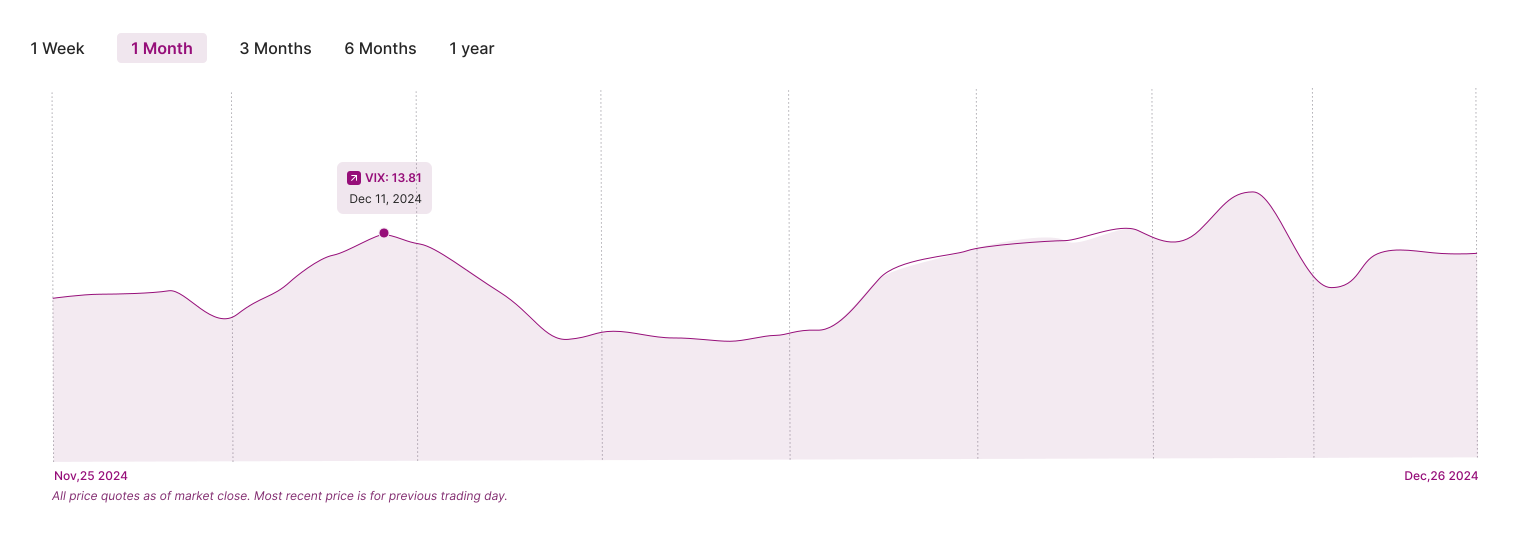
CBOE Volatility Index (VIX) Chart
Understanding Risk Weather: Your Market Forecast Tool
Adaptive Risk Weather is your go-to tool for gauging the affordability of downside protection based on market conditions.
When Risk Weather is ‘Low’ or ‘Medium’, protection costs are typically lower, while ‘High’ or ‘Very High’ levels indicate higher expenses.
Adaptive Risk Weather is your go-to tool for gauging the affordability of downside protection based on market conditions.
When Risk Weather is ‘Low’ or ‘Medium’, protection costs are typically lower, while ‘High’ or ‘Very High’ levels indicate higher expenses.
It measures market expectations for price movements by analyzing the price premium and implied volatility of publicly traded stock options.
Think of it as a forecast for market conditions—calm seas or stormy weather—reflected in the cost of downside protection (e.g., put options) and the premium for upside protection (e.g., call options).
Currently, the VIX (often called the ‘fear index’) serves as the primary measure.
The VIX estimates the implied volatility of the S&P 500 over the next 30 days, calculated from publicly traded options.
Learn more about the VIX and implied volatility: Wikipedia | Investopedia | CBOE

Decoding VIX Risk Levels: Color-Coded Market Insights
Adaptive calculates VIX risk levels using historical S&P 500 options data. The risk levels are color-coded for easy interpretation:
Green (Low): VIX ≤ 15 (calm market conditions)
Yellow (Medium): VIX 15–20 (moderate market conditions)
Red (High): VIX 20–30 (stormy market conditions)
Critical (Very High): VIX > 30 (extreme volatility)
When Risk Weather is ‘Low’ or ‘Medium’, downside protection tends to be more affordable. In contrast, ‘High’ or ‘Very High’ levels signal increased costs due to higher market uncertainty.
Safeguard Your Portfolio with Downside Protection
Investors and advisors often seek to reduce portfolio risk. Risk Weather provides insights into the cost of downside protection, helping you decide when to hedge your investments.
By incorporating downside protection strategies, you can defend your portfolio against market dips and reinvest payoffs for long-term gains.

Buy Low, Sell High
Use Risk Weather Alerts to identify when protection costs are relatively low (ideal for longer-term coverage) or high (opt for shorter-term protection).

Hedge Against Market Dips
Secure your investments by utilizing strategic options to hedge against unexpected market downturns.

Reinvest for Long-Term Growth
Take advantage of market recoveries by reinvesting hedging payoffs into long-term assets.
Personalize Risk Weather for Your Portfolio
To customize Risk Weather for your specific portfolio, a pilot account is required.
Request a demo or pilot account today to explore Adaptive’s breakthrough fintech technology.
Request a demo or pilot account today!
Automate Risk Weather Alerts
Stay informed about market conditions automatically.
.svg) Strategic Hedging with Precision
Strategic Hedging with Precision.svg) Get notified when Risk Weather changes
Get notified when Risk Weather changesStay ahead of market volatility with timely, actionable insights.
Stay Updated with Adaptive
Stay informed with the latest updates from Adaptive, including new tools, features, and special offers. Discover how our innovative strategies continue to redefine risk management and investment solutions for advisors, retail investors, and enterprises.